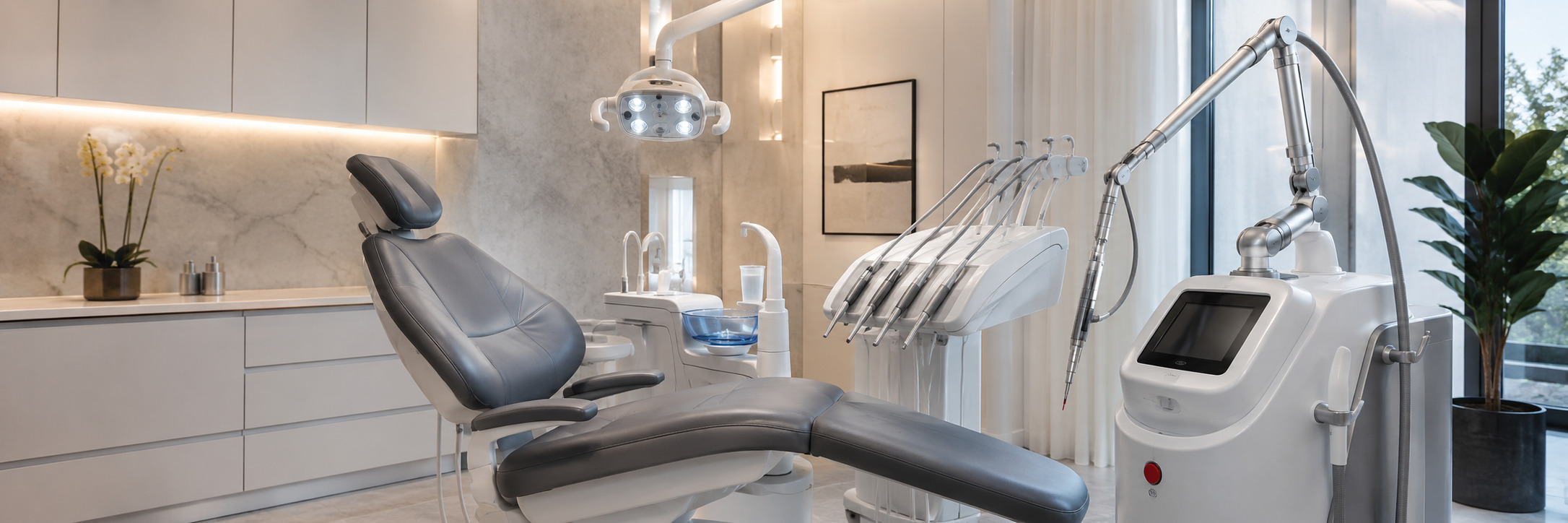
Laser dentistry uses concentrated light energy to carry out or support selected dental procedures. Depending on the laser system, wavelength and settings, a dentist may use it to treat certain soft tissues, remove selected areas of hard tissue, control bleeding or support bacterial reduction. Dental lasers do not all work in the same way. Different…
Composite bonding can be worth considering for patients who want to correct relatively small cosmetic concerns while preserving as much natural tooth structure as possible. It may be used to repair minor chips, smooth uneven edges, close small gaps, improve tooth proportions or disguise limited areas of discolouration. The treatment is usually quicker and lower…
Composite bonding is generally considered a conservative cosmetic dental treatment. In many cases, it can improve the shape, proportions or appearance of teeth while requiring little or no removal of healthy enamel. However, this does not mean that bonding is completely risk-free or that every bonded tooth can later be returned to its exact original…
A dental bridge is a fixed restoration used to replace one or more missing teeth. It fills the space with an artificial tooth and is supported by neighbouring teeth, adhesive wings or dental implants. The exact fitting process depends on the type of bridge being used. A conventional bridge normally requires preparation of one or…

Porcelain onlays can restore damaged back teeth while preserving more healthy tooth structure than a full dental crown in suitable cases. Many porcelain onlays remain functional for 10 years or longer. Some last considerably longer, while others need earlier repair or replacement because of chipping, loss of bonding, decay, damage to the supporting tooth or…

Dental inlays are custom-made restorations used to repair moderate damage within the biting surface of a tooth. They may be recommended when a standard dental filling would not provide a predictable repair, but the tooth does not require an onlay or full dental crown. Inlays are most commonly used on back teeth, including molars and…

Root canal treatment has a reputation for being painful or harmful, but in most cases, a root canal is not bad for you. It is a dental procedure used to remove infected, inflamed or damaged tissue from inside a tooth. The aim is to preserve the natural tooth, relieve symptoms, remove the source of infection…
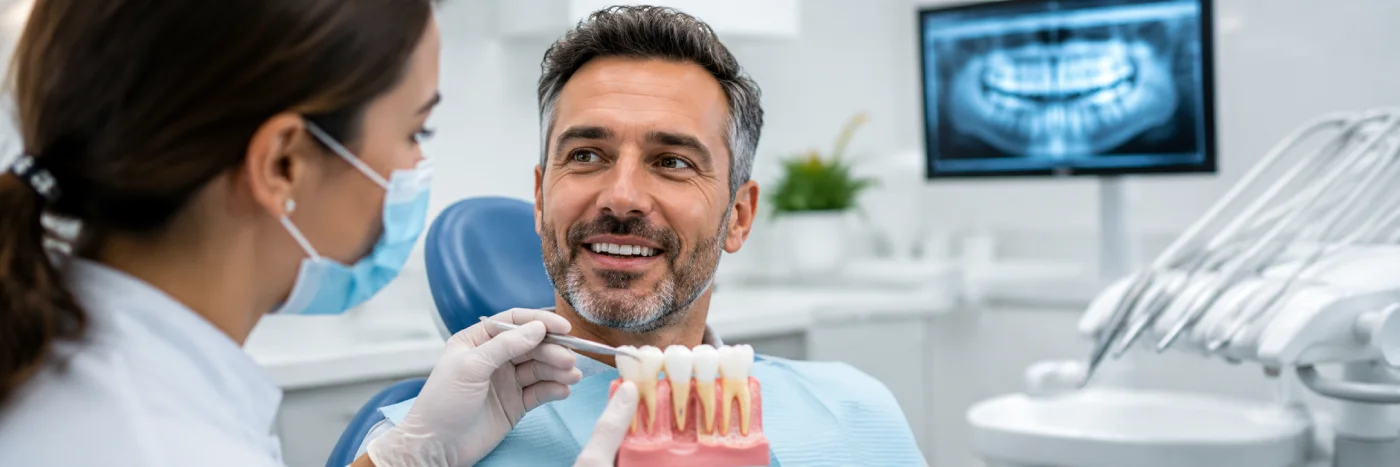
Periodontal disease, also known as gum disease, affects the gums and the structures that support the teeth. Early gum disease, called gingivitis, can often be reversed through effective daily plaque removal and professional care. However, once the condition has progressed to periodontitis and caused loss of gum attachment or supporting bone, it does not normally…

Molars are the large, broad teeth located at the back of the mouth. Their wide biting surfaces help crush and grind food before it is swallowed, making them important for comfortable chewing and normal oral function. An adult can have up to 12 permanent molars when all four wisdom teeth are present. Adults whose wisdom…
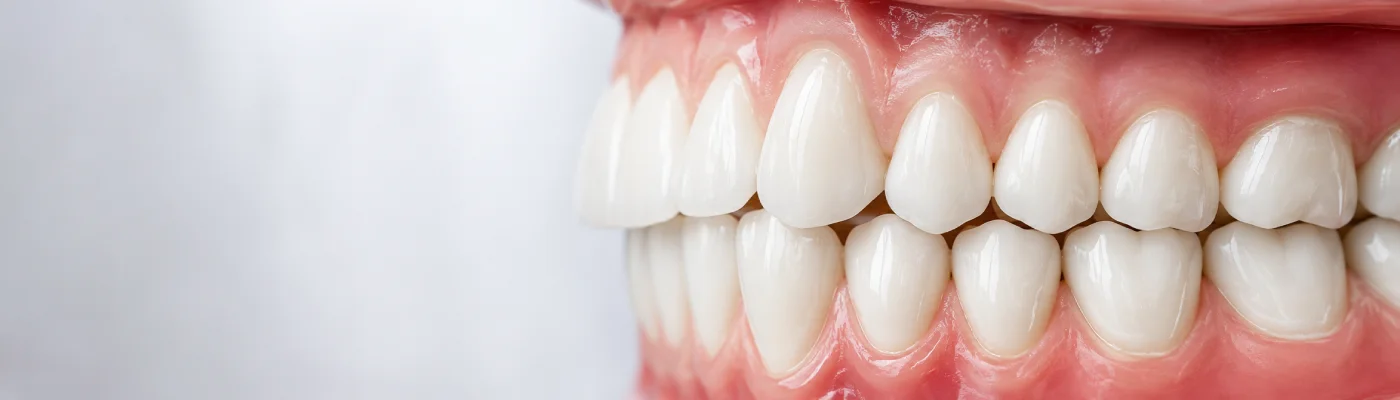
Premolars are permanent teeth positioned between the pointed canine teeth and the larger molar teeth at the back of the mouth. Adults normally have eight premolars: four in the upper jaw and four in the lower jaw. Their raised chewing surfaces help crush and break down food before it reaches the molars for further grinding….

Bleeding after a tooth extraction is one of the most common concerns patients have following the procedure. In most cases, active bleeding gradually slows and stops within a few hours as a protective blood clot forms inside the empty socket. Slight oozing or pink-tinged saliva may continue for longer and is usually part of the…
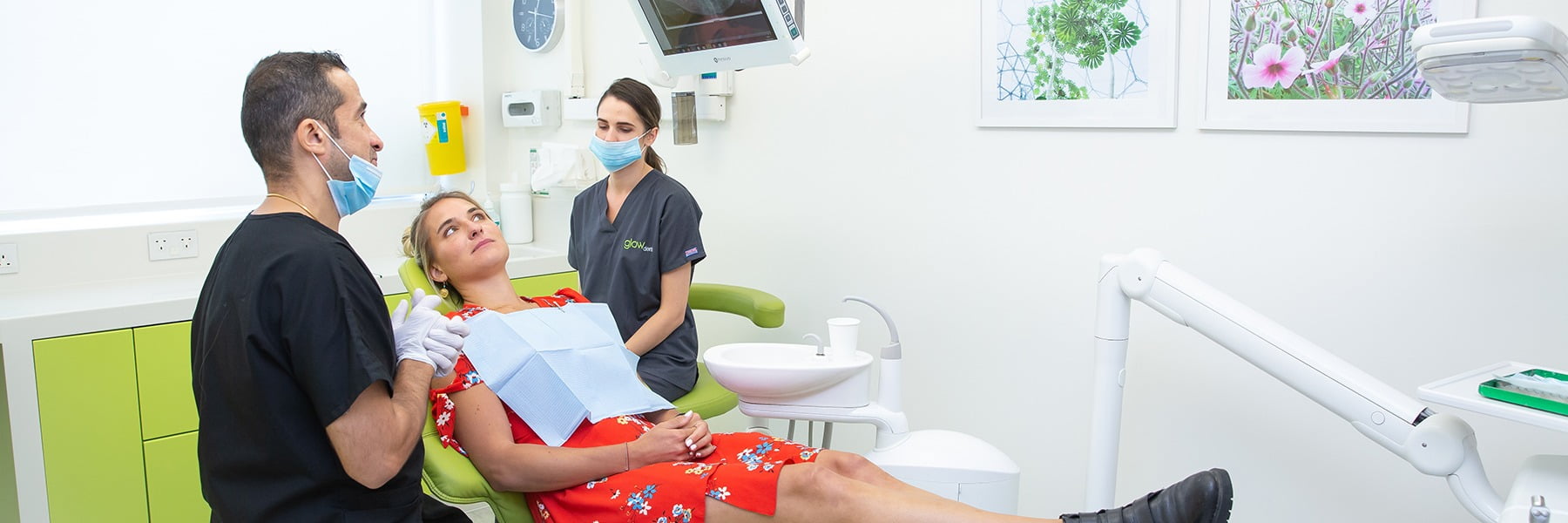
A tooth extraction may be recommended when a tooth cannot be restored or when removing it is the safest option for your oral health. One of the first questions patients usually ask is: how much does a tooth extraction cost? At Glow Dental, private tooth extraction prices start from £195. The final cost depends on…
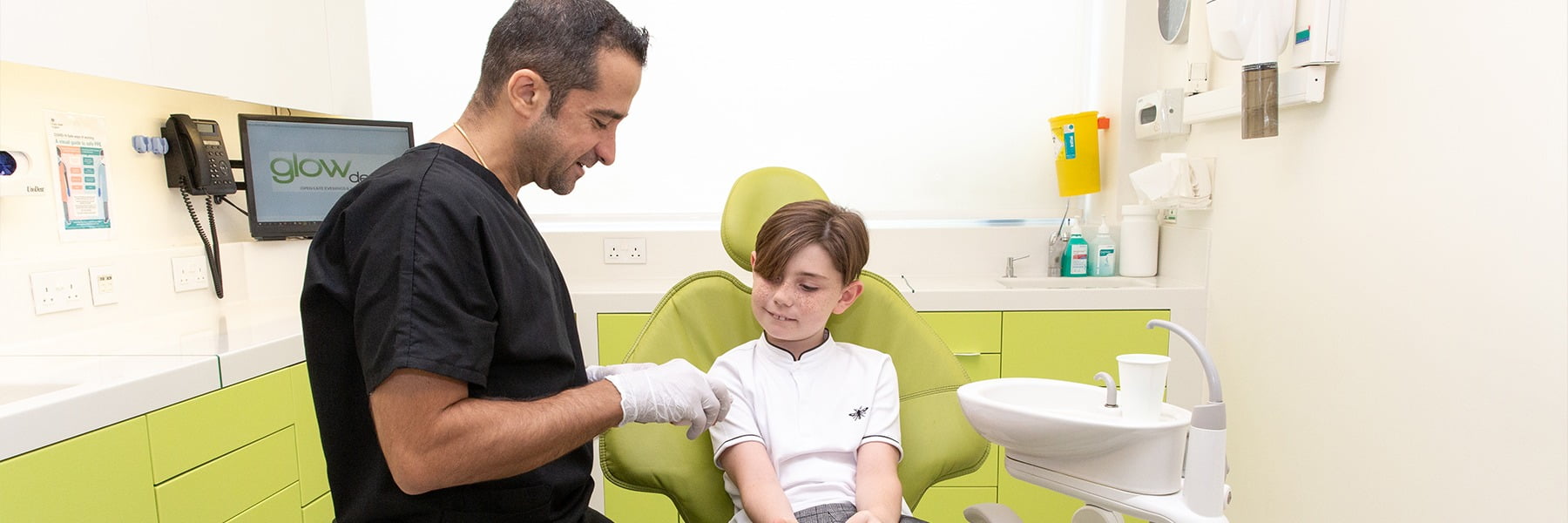
Parents often ask: when should my child first see a dentist? The general advice is to arrange your child’s first dental visit when their first milk teeth appear, or by their first birthday at the latest. Although a baby may have only one or two teeth, an early appointment allows the dentist to check their…

Many parents want to know whether dental treatment is free for children, when private fees may apply and whether seeing a specialist paediatric dentist costs more than visiting a general dentist. The answer depends on where you live in the UK, whether the treatment is being provided under NHS or Health Service arrangements and whether…
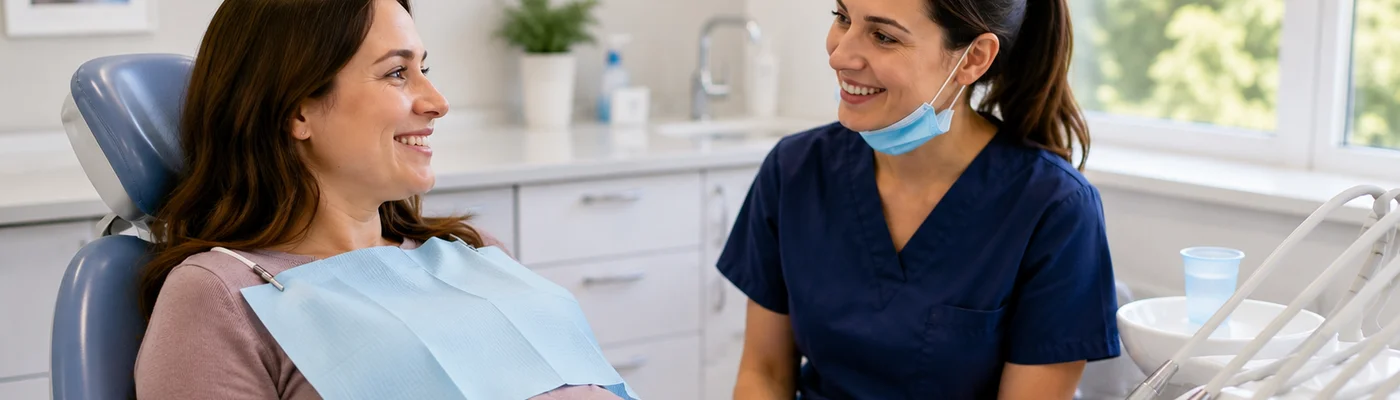
If you are pregnant, you may be entitled to free NHS or Health Service dental treatment during your pregnancy and for up to 12 months after your baby is born. This support applies to treatment provided through the public dental system. Private dental treatment remains chargeable, even during pregnancy, so it is important to confirm…
Many patients ask whether dentists are free in the UK. The short answer is: most adults have to pay something towards routine dental treatment, even when the treatment is provided through the NHS or Health Service. However, dental charging rules are not the same throughout the UK. England, Scotland, Wales and Northern Ireland each have…

How often should you go to the dentist? Although many people assume they need a dental check-up every six months, there is no single interval that is right for everyone. Your dentist should recommend how often you need a routine dental examination based on the health of your teeth and gums and your individual risk…
Patients with dental anxiety often ask: can a dentist prescribe diazepam? Yes. A UK dentist can prescribe diazepam when it is clinically appropriate and directly related to dental treatment. However, diazepam is not suitable for every nervous patient, and it should not be viewed as a routine solution for dental anxiety. Depending on the severity…