
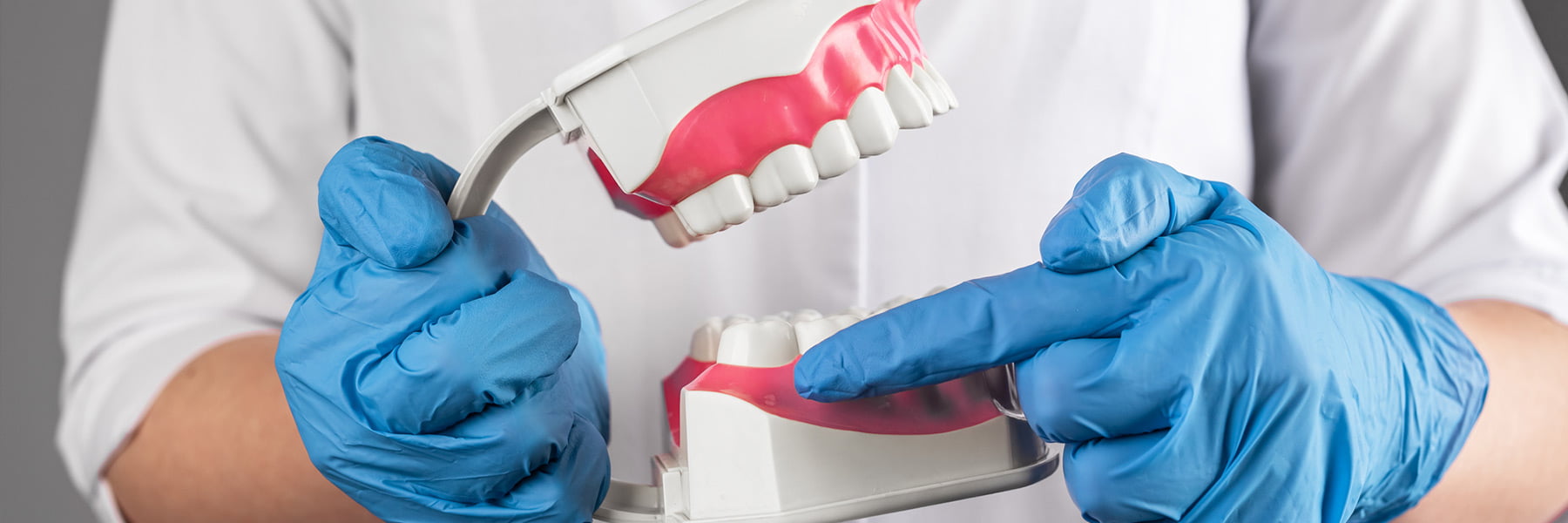
Orthodontic treatment is often associated with straighter teeth and a more attractive smile, but its purpose can go beyond appearance. Depending on the individual problem, orthodontics can improve tooth position, correct certain bite relationships, reduce the prominence of vulnerable front teeth and make some areas of the mouth easier to clean.
However, the benefits should not be exaggerated. Orthodontic treatment does not automatically prevent tooth decay or gum disease, cure jaw pain or guarantee that someone will never need future dental treatment. The value of orthodontics depends on the specific malocclusion being treated and the goals of the individual patient.
At Glow Dental, a specialist orthodontic assessment can determine whether treatment is clinically worthwhile and whether fixed braces, clear braces, lingual braces, Invisalign or another approach is most suitable.
What Is Orthodontic Treatment?
Orthodontics is the branch of dentistry concerned with the position of the teeth, how the upper and lower teeth meet and, in growing patients, certain aspects of jaw development.
Orthodontic treatment can be used to manage problems such as:
- Crowded or overlapping teeth
- Spaces between teeth
- Prominent upper front teeth
- Rotated or displaced teeth
- Crossbites
- Deep bites
- Open bites
- Some Class II and Class III bite relationships
- Impacted or ectopically positioned teeth
- Teeth that have not erupted into their expected position
The treatment goal is not necessarily to create a mathematically “perfect” bite. It is to achieve an appropriate combination of dental health, function, stability and appearance for the individual patient.
What Are the Main Benefits of Orthodontic Treatment?
The benefits vary according to the original problem. The following are five of the most important evidence-based reasons why orthodontic treatment may be recommended.
1. Straighter Teeth Can Make Cleaning Easier
Severe crowding, overlapping teeth and awkward tooth positions can create areas that are difficult to reach effectively with a toothbrush or interdental cleaning.
Moving teeth into more accessible positions can make daily plaque removal easier for some patients.
However, it is important not to turn this into a guarantee that orthodontics prevents tooth decay or periodontal disease. Research looking at whether correcting malocclusion produces measurable long-term improvements in general oral health remains limited.
Good oral hygiene is still essential both during and after orthodontic treatment. Patients wearing fixed braces may actually find cleaning more difficult temporarily because brackets and wires create additional surfaces around which plaque can accumulate.
Regular dental examinations and appropriate hygiene appointments can therefore be particularly useful while undergoing orthodontic treatment.
2. Orthodontics Can Improve Certain Bite Problems
Malocclusion means that the teeth or jaws do not meet in the expected relationship. In some people this is mainly an aesthetic issue, while in others it can affect biting, chewing or the way particular teeth contact.
Orthodontic treatment can be used to correct many of these relationships by changing the position of the teeth.
For example, treatment may:
- Reduce a large overjet where the upper front teeth are particularly prominent
- Correct some crossbites
- Improve an excessive deep bite
- Reduce certain open bites
- Improve the position of teeth that do not contact effectively
- Create a more functional relationship between the upper and lower dental arches
There is some evidence that particular malocclusions can affect chewing performance, particularly in children, although the evidence that orthodontic treatment universally improves chewing efficiency remains limited.
It is also inaccurate to claim that straightening teeth automatically improves digestion. Digestion depends on a much wider range of gastrointestinal and metabolic processes and should not be used as a general justification for orthodontic treatment.
3. Treatment Can Reduce the Risk of Trauma to Prominent Front Teeth
One of the clearest functional health benefits relates to children with significantly prominent upper front teeth.
Upper incisors that project considerably forwards are more exposed and therefore more vulnerable to accidental injury.
Evidence from randomised trials shows that appropriately timed orthodontic treatment can reduce the incidence of trauma to these prominent front teeth.
This is one reason why children with a large overjet may be referred for an orthodontic assessment rather than waiting until adulthood.
Glow Dental provides early orthodontic assessment and treatment for children where intervention during growth may provide a clinical advantage.
4. Orthodontics Can Improve Smile Appearance and Quality of Life
Appearance is a legitimate reason for seeking orthodontic treatment rather than something that should simply be dismissed as vanity.
Crowding, spacing or prominent teeth can affect how some people feel about smiling, photographs and social interactions.
Systematic reviews have found that successful orthodontic treatment can improve oral-health-related quality of life, with benefits particularly involving dental appearance and psychosocial well-being.
Some studies also report improvements in dental self-confidence and self-esteem following treatment, although the effect varies considerably between individuals.
Orthodontics should therefore not promise that straight teeth will transform someone’s confidence or personal life, but patients who are genuinely unhappy with the appearance of their teeth can experience meaningful psychological and social benefits from treatment.
If appearance is a major priority, removable Invisalign clear aligners, tooth-coloured fixed braces and lingual braces can provide more discreet alternatives to conventional metal brackets.
You can also view examples of completed treatment in Glow Dental’s patient gallery.
5. Orthodontics Can Help Manage Impacted, Displaced or Poorly Positioned Teeth
Orthodontics is not simply about making mildly crooked front teeth look straighter.
Some teeth develop in abnormal positions or fail to erupt normally. The upper permanent canine is one of the teeth commonly affected.
An impacted or displaced canine can sometimes threaten the roots of neighbouring teeth or become progressively more difficult to bring into the dental arch.
Depending on its position, treatment may involve creating space, surgically exposing the tooth and orthodontically guiding it into an appropriate position.
Modern orthodontic treatment can also help create or redistribute space before restorative procedures, replace missing-tooth spaces orthodontically in selected patients or position teeth more favourably before other dental treatment.
Children who may have eruption or developmental problems can be assessed through Glow Dental’s early orthodontic service.
Does Orthodontic Treatment Prevent Gum Disease?
Not automatically.
Crowded teeth may be more difficult for some people to clean, and recent research has identified associations between certain malocclusions and gingival inflammation. However, an association does not prove that crooked teeth themselves cause periodontal disease.
There is also insufficient evidence to recommend orthodontic treatment simply as a way of preventing future gum disease.
During fixed orthodontic treatment, plaque control becomes particularly important because brackets and wires can make brushing more demanding.
If periodontitis is already present, it should normally be stabilised before significant orthodontic tooth movement begins. Glow Dental can coordinate orthodontic treatment with specialist periodontal care where necessary.
Does Orthodontic Treatment Prevent Tooth Decay?
No. Straight teeth do not become immune to tooth decay.
Orthodontic alignment can make some crowded areas easier to reach, but decay risk continues to depend heavily on plaque, fluoride exposure, diet, saliva and oral-hygiene habits.
Fixed braces can temporarily increase the risk of plaque-related enamel demineralisation around the brackets when oral hygiene is poor.
These early areas of mineral loss are often visible as chalky white spot lesions after braces are removed.
Patients should therefore:
- Brush thoroughly twice daily with fluoride toothpaste
- Clean carefully around brackets and wires
- Clean between the teeth every day
- Limit frequent sugary foods and drinks
- Attend dental and hygiene reviews when advised
Glow Dental’s dental hygienists can provide additional plaque-control support during orthodontic treatment.
Can Orthodontics Prevent Tooth Wear?
Orthodontics can change the way teeth contact, and correcting certain abnormal relationships may reduce undesirable contact on particular teeth.
However, tooth wear has many causes—including teeth grinding, acid erosion and normal ageing—so orthodontics should not be advertised as a universal way of preventing worn or cracked teeth.
Patients with significant wear need an assessment of the underlying cause rather than simply having their teeth straightened.
Can Orthodontic Treatment Cure TMJ or Jaw Pain?
No. Orthodontic treatment should not routinely be recommended as a treatment for temporomandibular disorders (TMD).
Research has not demonstrated a reliable cause-and-effect relationship between orthodontic treatment and TMD, nor evidence that orthodontic treatment routinely prevents or cures the condition.
Jaw pain can involve the temporomandibular joints, jaw muscles and wider pain mechanisms and needs to be assessed independently.
If your main concern is pain, clicking, locking or restricted jaw movement rather than tooth position, read more about TMD and jaw problems.
Can Orthodontics Improve Speech?
Some significant tooth and jaw relationships can influence articulation, and orthodontic treatment may form part of multidisciplinary care where dental position contributes to a speech problem.
However, most speech difficulties are considerably more complex than tooth position alone.
Orthodontic treatment therefore should not promise to eliminate a speech impediment unless a specific relationship has been identified as part of an appropriate assessment.
Some braces can also temporarily affect speech while patients adapt to them, particularly appliances positioned close to the tongue.
Is Orthodontic Treatment Good for Confidence?
For many patients, yes.
Research consistently shows that dental appearance can influence oral-health-related quality of life. Patients who were genuinely concerned about crooked, spaced or prominent teeth commonly report improvements after successful treatment.
However, psychological responses are individual. Orthodontic treatment should improve teeth—not be presented as a guaranteed solution to low self-esteem or social anxiety.
Is Orthodontics Only Cosmetic?
No, although aesthetics are an important part of treatment for many patients.
Some orthodontic treatment is primarily cosmetic, such as correcting mild crowding of otherwise functional front teeth.
Other treatment addresses clinically important problems such as:
- Very prominent upper incisors at increased risk of trauma
- Impacted or displaced permanent teeth
- Significant crossbites
- Severe crowding
- Some deep or open bites
- Complex bite relationships
- Space management for missing or unerupted teeth
The clinical value of treatment therefore depends on the original problem rather than whether braces are considered cosmetic in general.
What Orthodontic Treatments Are Available?
Modern orthodontics offers several different appliances. The best option depends on the movements required, treatment complexity, aesthetics, age and patient preferences.
Metal Fixed Braces
Traditional metal braces use brackets bonded to the teeth and orthodontic wires to produce controlled tooth movement.
They remain extremely versatile and can be particularly useful for complex orthodontic treatment. Find out more in our guide to metal braces and their costs in the UK.
Clear or Ceramic Fixed Braces
Clear brackets work on similar principles to conventional fixed braces but use tooth-coloured or translucent materials to make treatment less noticeable.
They can be a useful compromise for patients who want the control of fixed orthodontics but prefer a more discreet appearance.
Lingual Braces
Lingual braces are attached to the inner surfaces of the teeth, making them much less visible from the front.
They can treat complex cases but are technically demanding and may temporarily affect speech or tongue comfort while the patient adapts.
Invisalign Clear Aligners
Invisalign uses a sequence of removable clear aligners to move the teeth gradually.
The aligners can be removed for eating and cleaning, which many patients find convenient. However, they must be worn consistently—normally around 20–22 hours per day—for treatment to progress as planned.
Modern clear aligners can treat many more complex cases than early systems, although some movements remain more predictable with fixed appliances or require additional attachments, elastics or other orthodontic techniques.
Are Clear Aligners Healthier Than Fixed Braces?
Clear aligners have one practical oral-hygiene advantage: they can be removed to brush and clean between the teeth.
Recent systematic reviews generally show better plaque and gingival measurements among clear-aligner patients compared with patients wearing fixed appliances, although differences in patient behaviour and the quality of available research need to be considered.
This does not mean Invisalign automatically produces healthier teeth. Frequently drinking sugary beverages while wearing aligners or replacing them over unclean teeth can still contribute to dental disease.
What Are the Risks of Orthodontic Treatment?
Orthodontic treatment is generally predictable when appropriately planned, but moving teeth is a biological process and it is not risk-free.
Possible issues include:
- Temporary soreness or pressure as teeth move
- Ulcers or irritation from appliances
- Enamel demineralisation and white spot lesions if plaque control is poor
- Tooth decay
- Gingival inflammation
- Gum recession in susceptible patients
- Root shortening or orthodontically induced root resorption
- Changes in tooth vitality in rare cases, particularly previously traumatised teeth
- Relapse after treatment
Small degrees of root resorption are relatively common during orthodontic tooth movement and usually have little long-term clinical consequence, but more significant resorption occurs in a minority of patients.
A thorough assessment before treatment helps identify important risk factors.
Why Is Oral Hygiene So Important During Braces?
Fixed brackets do not themselves cause cavities, but they create additional plaque-retentive surfaces.
If plaque remains around brackets for prolonged periods, acids produced by plaque bacteria can remove mineral from the enamel. This may leave permanent white or brown marks even after beautifully straight teeth have been achieved.
Orthodontic treatment should therefore begin when oral hygiene is sufficiently good to maintain healthy teeth and gums throughout the process.
Patients struggling to clean around their braces can book a hygiene appointment at Glow Dental for professional cleaning and personalised advice.
Can You Have Orthodontic Treatment With Gum Disease?
Active periodontitis should normally be controlled before comprehensive orthodontic movement begins.
Moving teeth where significant uncontrolled periodontal inflammation and bone loss are present can increase the risk of further damage.
Adults with a previous history of periodontitis can often still have orthodontic treatment once the disease is stable, but treatment may require careful collaboration between the orthodontist and periodontist.
What Are the Benefits of Early Orthodontic Treatment for Children?
Most children do not need comprehensive braces at a very young age, and many orthodontic problems are treated most efficiently once more permanent teeth have erupted.
However, selected problems can benefit from earlier intervention.
Examples can include:
- Very prominent upper front teeth
- Some crossbites
- Developing Class III relationships
- Abnormal eruption of permanent teeth
- Impacted or ectopic teeth
- Persistent oral habits affecting the developing bite
Evidence is particularly strong that early treatment of very prominent upper incisors can reduce the risk of traumatic injury, although it does not necessarily produce a better final orthodontic result than appropriately timed later treatment.
Learn more about early orthodontic treatment at Glow Dental.
What Are the Benefits of Orthodontics for Adults?
There is no upper age limit for orthodontic tooth movement provided the teeth and supporting periodontal tissues are sufficiently healthy.
Adults may seek treatment to:
- Improve dental appearance
- Correct crowding or spacing
- Improve particular bite relationships
- Redistribute space before implants, bridges or other restorative dentistry
- Improve the position of teeth affected by previous tooth loss
Periodontal health is especially important in adults, which is why a full dental and gum assessment should form part of treatment planning.
How Long Do the Benefits of Orthodontic Treatment Last?
Orthodontic results are not automatically permanent.
Teeth have a lifelong tendency to move, and the periodontal tissues and bone require time to adapt after orthodontic treatment.
This is why retainers are an essential part of orthodontic care.
Retainers may be removable, fixed behind the teeth or sometimes a combination of both. Long-term retention is usually recommended to reduce unwanted tooth movement.
Failing to wear or maintain retainers can allow teeth to move even after an excellent orthodontic result has been achieved.
Is Orthodontic Treatment Worth the Cost?
Whether treatment is worthwhile is a personal and clinical decision rather than something that can be calculated simply by claiming it will save future dental bills.
There is not strong evidence that routine orthodontic treatment universally pays for itself by preventing future fillings, gum treatment or other dental procedures.
Instead, potential value comes from the specific benefits relevant to that patient—such as improving a bite problem, reducing trauma risk, aligning an impacted tooth or improving an appearance that genuinely concerns them.
You can view Glow Dental’s current orthodontic fees and finance options before deciding whether treatment fits your budget.
Frequently Asked Questions About the Benefits of Orthodontics
Does orthodontic treatment make teeth healthier?
It can improve tooth position and make some crowded areas easier to clean, but straight teeth are not automatically healthier. Good brushing, interdental cleaning, fluoride use, diet and regular dental care remain important.
Can braces prevent gum disease?
There is not enough evidence to recommend orthodontic treatment simply to prevent periodontal disease. In fact, fixed braces temporarily make plaque control more difficult, so excellent oral hygiene is particularly important during treatment.
Can orthodontics prevent chipped teeth?
Orthodontic treatment can reduce trauma risk where upper front teeth are significantly prominent, particularly in children. It cannot prevent every accidental dental injury or fracture.
Will braces fix jaw pain?
Not necessarily. Orthodontics is not considered a routine treatment for TMD, and research does not show that orthodontic treatment reliably prevents or cures temporomandibular disorders.
Can orthodontics improve chewing?
Correcting some significant bite problems may improve biting and chewing function. However, the strength of evidence varies according to the type of malocclusion and treatment.
Does orthodontics improve speech?
It may help selected patients where tooth or jaw position contributes to an articulation problem, but orthodontic treatment is not a general treatment for speech disorders.
Does Invisalign provide the same benefits as braces?
For many orthodontic problems, Invisalign and fixed appliances can both produce excellent results. Some complex movements may be more predictable with fixed braces, while clear aligners provide advantages in appearance, removability and access for oral hygiene.
Is orthodontics worth having purely for cosmetic reasons?
It can be. Improving dental appearance is a legitimate treatment goal if the patient’s teeth genuinely concern them and they understand the costs, risks and commitment involved.
Do adults benefit from braces?
Yes. Healthy teeth can be moved at virtually any adult age, although periodontal health and existing dental restorations become particularly important when planning adult orthodontic treatment.
Will my teeth stay straight forever?
Not without retention. Teeth can move throughout life, so wearing and maintaining retainers as advised is essential for preserving the result.
Orthodontic Treatment at Glow Dental
Glow Dental provides specialist orthodontic treatment in Battersea for children and adults. Treatment is planned according to the tooth movements required, your bite, periodontal health, appearance goals and lifestyle rather than assuming one orthodontic system is best for everybody.
Treatment options include conventional metal braces, more discreet clear fixed braces, lingual braces and Invisalign clear aligners. Younger patients who may benefit from intervention during growth can also be assessed through our early orthodontic service.
Glow Dental uses digital scanning and orthodontic planning technology to help assess tooth position and plan treatment. Digital simulations can be useful for explaining the proposed result, although they should be viewed as treatment-planning tools rather than guarantees of the exact final tooth position.
Before treatment, your teeth and gums should also be healthy. Glow Dental can coordinate orthodontic care with routine dental examinations, hygiene care and specialist periodontics where required.
If you are new to the practice, find out more about becoming a new patient at Glow Dental, view our current orthodontic fees or contact Glow Dental to arrange an orthodontic assessment.
Summary: What Are the Benefits of Orthodontic Treatment?
Orthodontic treatment can improve tooth alignment, correct certain bite problems, reduce the risk of trauma to very prominent front teeth, manage impacted or displaced teeth and improve dental appearance and oral-health-related quality of life.
Some traditionally advertised benefits are less well supported. Orthodontics should not be promised as a way to prevent TMD, improve digestion, cure speech problems, eliminate gum disease or guarantee lower dental costs throughout life.
The greatest benefit comes from treating a genuine orthodontic problem with the appliance and timing best suited to the individual. A specialist orthodontic consultation at Glow Dental can establish whether treatment is likely to provide meaningful health, functional or aesthetic benefits for you.
Written by:
Glow Dental
Published:
Last updated: